
Skip to content
Uncle's Plumbing
Service

Water Leak Detection in Kennedale and Arlington, TX

A hidden water leak can waste water and damage a home before anyone sees a broken pipe. A higher water bill, damp wall, or warm area on the floor may be the first clue. Uncle's Plumbing provides water leak detection in Kennedale, Arlington, Fort Worth, and nearby communities.

On This Page

We evaluate plumbing symptoms, help narrow down the likely source, and explain when further testing or repairs are needed. Our approach focuses on understanding the problem before recommending work, with upfront pricing for approved services.

Suspect a hidden plumbing leak? Call Uncle's Plumbing at (817) 743-3113 to request an evaluation.

01 · 06

Signs You May Have a Hidden Water Leak

Not every leak creates an obvious puddle. Watch for several clues, especially when they appear together.

An Unexplained Increase in Your Water Bill

A higher bill may indicate water running when fixtures are off. Compare usage, not just the total, because rates and seasonal watering change costs. A running toilet or irrigation issue can also increase consumption; a high bill does not prove a wall leak.

Damp Walls, Ceilings, or Cabinets

Discoloration, peeling paint, or damp flooring can suggest moisture near plumbing. Water can travel along framing, so the stain may be far from the source. Roof leaks and condensation can produce similar signs.

Sounds of Running Water

Hissing or flowing sounds when fixtures are off may indicate a leak. Check whether a toilet is refilling, an appliance is operating, or irrigation is running first.

Warm Spots or Persistent Moisture on Floors

A warm area on a floor can sometimes accompany a hot-water line leak beneath a slab. Other heating and moisture sources are possible. Repeated wet flooring or unexplained warm spots deserve evaluation, but neither symptom proves there is a slab leak.

Wet Ground During Dry Weather

Unusually damp soil can indicate a buried water line or irrigation problem. If moisture persists without rain or watering, avoid digging until the source and buried utilities are evaluated.

02 · 06

What to Do if You Suspect a Water Leak

If water is actively entering a room, turn off the relevant fixture valve or the main water supply when it is safe to do so. Keep away from wet outlets, electrical panels, and appliances. Do not enter standing water where electrical equipment could be energized. Protect belongings only if the area is safe.

For less urgent symptoms, these observations can help:

  • Review water use. Check your utility account or meter history for continuous or unexplained usage. Fort Worth's MyH2O system, for example, offers customers usage information and leak-related alerts when available.
  • Try a basic meter check. Make sure no one is using water and that water-using appliances and irrigation are off. If your meter is safely accessible, note the reading, wait a period without water use, and check it again. A change suggests water may be passing through the meter, but it does not identify where the problem is. Do not tamper with utility equipment or force open a meter box.
  • Look for simple fixture leaks. Inspect under sinks and around water heaters. A toilet that silently refills may be wasting water without any visible puddle.

A meter may indicate unexpected water use, but it cannot locate a pipe leak. Contact a plumber if the cause remains unclear.
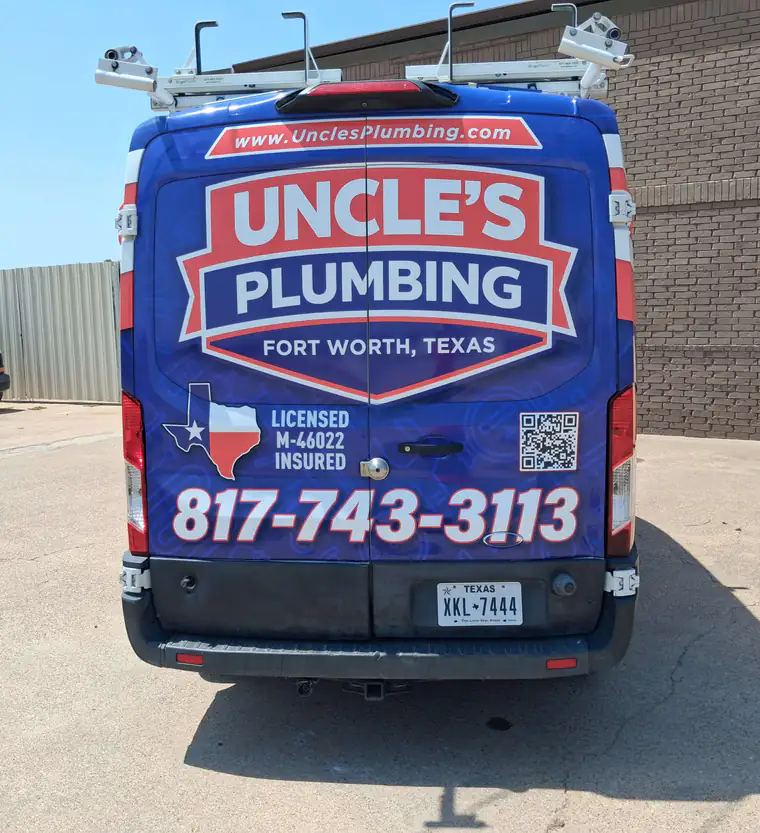
Rear doors of an Uncle's Plumbing van showing LICENSED, M-46022 and INSURED lettering
Licensed And Insured

Master Plumber license M-46022, Texas State Board of Plumbing Examiners — printed on the back doors of every van.

03 · 06

Where Hidden Plumbing Leaks Can Develop

Supply Pipes Behind Walls or Above Ceilings

Water supply piping may pass through walls, ceilings, and cabinets. A small opening or failed connection can allow moisture to spread before it becomes visible. Repair planning depends on the pipe's location, material, and accessibility.

Hot or Cold Water Lines Beneath a Slab

Leaks in piping beneath a concrete foundation can be difficult to distinguish from other moisture conditions. Signs may include unexplained water use, damp flooring, or a warm area, but testing is needed to confirm the source. If the evidence points to piping beneath the foundation, see our slab leak repair service for additional options.

Underground Water Service Lines

The pipe supplying a building from the water meter may leak underground, creating damp soil, reduced pressure, or unexpected metered consumption. The exact responsibility for the line can depend on the utility and property. Our water line repair and installation service covers damaged water service piping within our scope.

Fixtures, Appliances, and Connections

Worn toilet valves, faucet connections, water heater fittings, refrigerator supply lines, and washing-machine hoses can leak. These are not always hidden inside a wall, but the water may run into cabinets or behind appliances before it is noticed. Finding the affected connection helps avoid unnecessary opening of finished surfaces.

04 · 06

How Professional Water Leak Detection Works

1. Review Symptoms and Water Use

We review when symptoms began and whether they involve hot water, a fixture, or outdoor use. Past repairs and pressure changes may help.

2. Investigate the Likely Plumbing Area

We may check accessible valves, fixtures, pipes, and the meter. Pressure testing or appropriate detection equipment may help narrow the search. No single instrument identifies every type of leak.

3. Explain What the Findings Mean

We'll explain what is known and whether more testing or access is needed. A concealed leak may still require opening a wall or floor for repair.

4. Discuss Repair Options and Pricing

A connection may need targeted repair, while deteriorated piping may require more work. We provide upfront pricing for approved services.

05 · 06

Leak Detection Is Not the Same as Leak Repair

Detection helps determine where water is escaping and what might be causing it. Repair addresses the damaged component. A localized connection may be repairable once it is accessible; a deteriorated line can require replacement.

If a pipe has ruptured and is releasing water, read about our burst pipe repair service. If leaks keep appearing throughout older piping, a re-piping evaluation may be appropriate. Neither a high bill nor a single leak automatically means a complete re-pipe is necessary.

Moisture from a roof, air conditioning system, or exterior drainage may require a different contractor. We focus on identifying whether the symptoms involve plumbing rather than assuming every stain is caused by a water pipe.

06 · 06

Why Choose Uncle's Plumbing?

Uncle's Plumbing is locally owned and serves Kennedale, Arlington, Fort Worth, Mansfield, Grand Prairie, North Richland Hills, and nearby communities. Founder Andy Boyd has worked in plumbing since 1998, including residential service, commercial construction, and supervising plumbing crews. Andy holds Texas Master Plumber license M-46022.

We explain the evidence, discuss practical options, and provide upfront pricing before authorized work begins. See our Service Areas page for additional locations.

FAQs

Frequently Asked Questions About Water Leak Detection

Calls Answered 24/7(817) 743-3113
  1. How Do I Know if I Have a Hidden Water Leak?

    Common signs include unexpected water use, a higher water bill, damp walls or flooring, unusual running-water sounds, and wet ground during dry weather. None of these signs alone identifies a broken pipe. A running toilet, an irrigation leak, roof water, or condensation can create similar clues. If water use continues when every fixture is off, contact a plumber to help narrow down the source.

  2. How Much Does Leak Detection Cost in Kennedale, TX?

    The cost depends on how accessible the plumbing is, where the suspected leak may be, and what investigation is required. Checking a visible fitting differs from locating a possible leak beneath a concrete slab or underground. Additional testing or repair work may affect the total. Uncle's Plumbing explains the proposed evaluation and provides upfront pricing before approved work begins. Call (817) 743-3113 to describe the symptoms.

  3. Can a Plumber Find a Leak Without Breaking a Wall or Floor?

    Sometimes. Inspection, water-use checks, pressure testing, and appropriate detection methods can help narrow the location of a leak without immediately opening finished surfaces. However, results depend on the pipe and the source of moisture. Access may still be needed to confirm the problem or complete a repair. No reputable evaluation should guarantee zero cutting or excavation before the conditions are known.

  4. Does a High Water Bill Mean I Have a Slab Leak?

    No. Increased usage may come from toilets, faucets, irrigation, appliances, underground water lines, or pipes beneath the home. Review your utility usage, rule out obvious fixtures, and check for unexplained flow when water is not being used. A slab leak is one possible cause, not the default diagnosis. Further evaluation can determine whether there is evidence of a leak beneath the foundation.

  5. What Should I Do if Water Is Leaking Behind a Wall?

    If water is actively escaping, shut off the relevant water supply when safe and avoid any electrical hazards. Do not cut into a wet wall or operate nearby electrical devices. Move belongings away if the area is safe and document visible damage. Contact a plumber to investigate the pipe and discuss repair access. Drywall or flooring damaged by moisture may need separate drying and restoration after the plumbing is fixed.

Ready When You Are

Request Leak Detection
Near Fort Worth

An unexplained leak deserves a clear answer, not guesswork. Uncle's Plumbing can evaluate the plumbing symptoms, explain what is known, and recommend practical next steps for your property.

Call (817) 743-3113 or contact Uncle's Plumbing to request leak detection in Kennedale, Arlington, Fort Worth, or a nearby community.